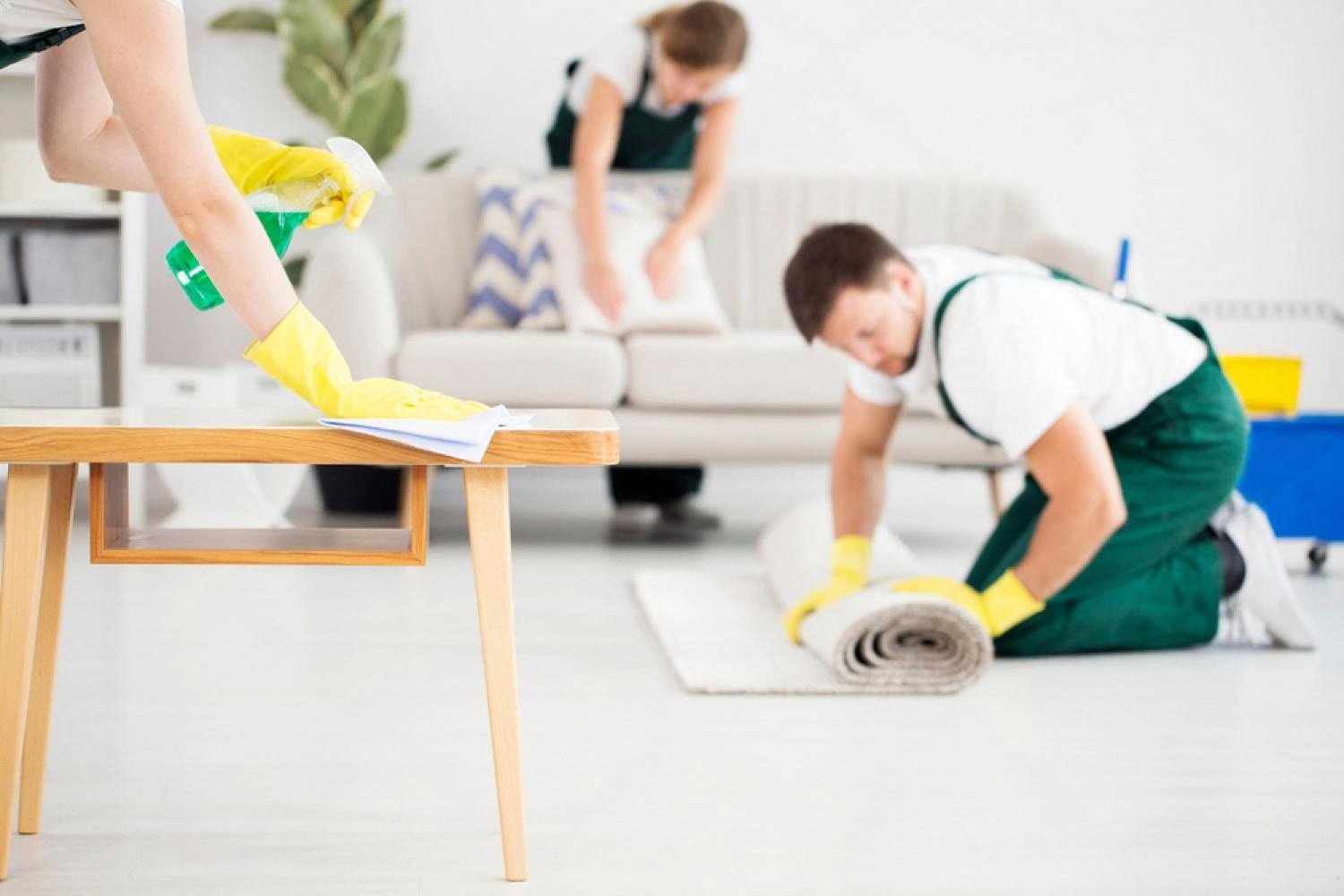
A friend in Jumeirah invited me over last spring, proud of a new cream wool carpet she had just bought from a shop on Sheikh Zayed Road. Six months later I was back for dinner, and the carpet looked tired. She swore she vacuumed twice a week. When a professional team came in and ran their extraction machine over one corner, the water that came out looked like weak coffee. She stared at the bucket, then at her toddler who had been crawling on that same patch all week, and quietly booked a full-home service the next morning.
That story is not unusual in the UAE. Between the fine desert dust that sneaks through every window seal, the humidity that can trap odours in fibres, and the shoes-off culture that puts bare feet directly on the pile, carpets here work harder than most people realise. A home vacuum helps, but it is nowhere near the full picture.
What actually hides inside a carpet
A carpet is a sponge. The pile you see on top is maybe a third of the fibre, the rest sits packed down near the backing, and that is where the trouble lives. Dust, fine sand blown in from construction sites, dead skin cells, pet hair, food crumbs that fell through the weave months ago, and sometimes dust mites or carpet beetles. The EPA notes that indoor air can be two to five times more polluted than outdoor air and soft furnishings are a big reason why.
In the UAE the mix gets worse because of the climate. Air conditioning runs almost year-round, which means windows stay shut and whatever lands in the carpet tends to stay there. If you own pets, their shedding settles into the base of the pile within days. If you have children, every spilled juice box, crumb of biscuit and tracked-in sand adds another layer.
Why your home vacuum cannot finish the job
The equipment gap
Suction, heat and chemistry all matter
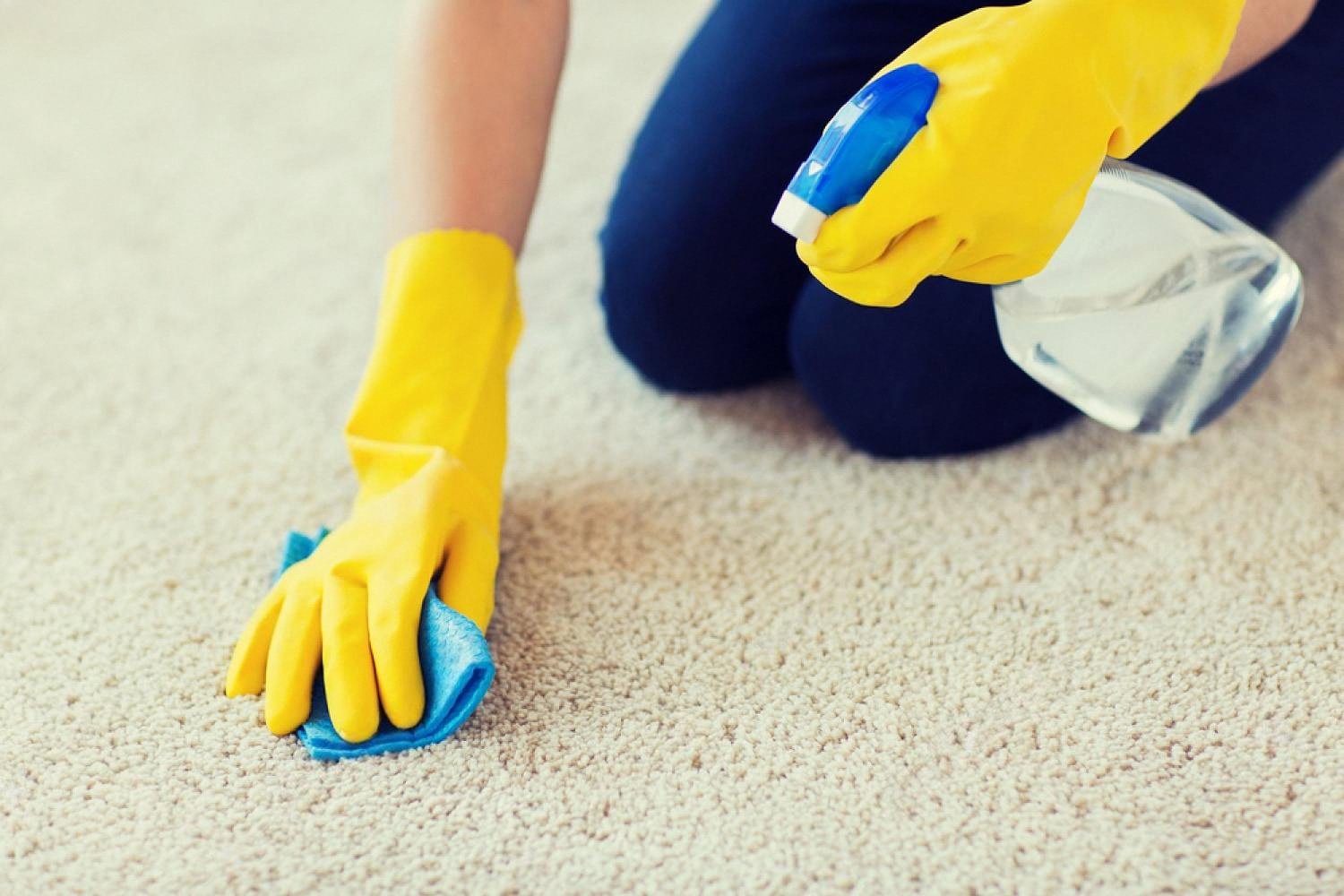
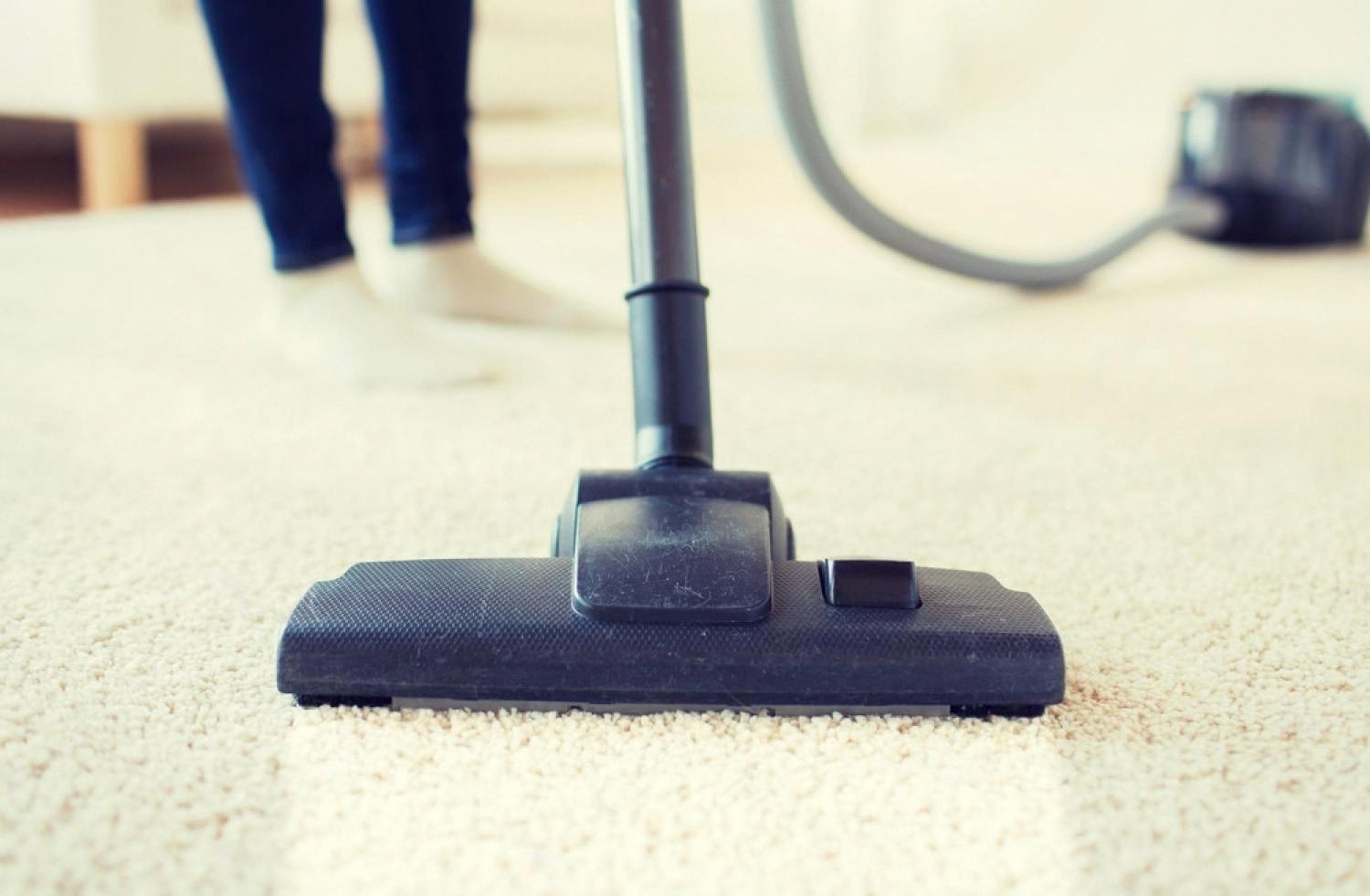
A typical household vacuum runs somewhere around 1,000 to 2,000 watts and relies on dry suction alone. It picks up what sits on the surface and in the top layer of pile, which is useful, but the dirt pressed down against the backing after months of foot traffic simply does not move. The motor cannot pull hard enough, and dry suction has no way to loosen bonded particles.
Professional truck-mount and portable extraction units are a different category of machine. They inject hot water, often above 90 degrees Celsius, mixed with a cleaning agent matched to the fibre type, agitate the pile, and then vacuum the slurry back out at high pressure. That is how coffee-coloured water ends up in the recovery tank of a carpet that looked fine.
What a professional service actually does differently
Beyond raw power, trained technicians bring something a weekend DIY cannot: they know which solution to use on wool versus synthetic, how to treat a stubborn stain without bleaching the dye around it, and how long the carpet needs to dry so mould does not grow underneath. In a humid city like Dubai or Abu Dhabi, that drying step matters more than people think, a soaked carpet left on a damp subfloor can smell worse a week later than it did before cleaning.
Reputable UAE companies also handle upholstery in the same visit, so if you have a sofa or armchairs in the same room, bundling the furniture cleaning in Dubai with the carpet work usually gets you a better rate and matching results across the room.
Four things pros do that a home routine cannot
Deep extraction
Hot-water machines reach the backing of the pile, pulling out sand, dander and ground-in dust a domestic vacuum leaves behind.
Fibre-matched chemistry
Wool, silk, nylon and polypropylene each need a different pH. Pros pick the right one so colours stay bright and fibres do not break down.
Allergen reduction
High temperatures kill dust mites and most bacteria, which a cold wipe-down or shampoo simply cannot do.
Controlled drying
Air movers and dehumidifiers finish the carpet in hours, not days, so humidity never gets a chance to feed mould or mildew.
Vacuuming maintains a carpet. Deep cleaning restores it. The two jobs are not interchangeable, and skipping the second one quietly shortens the life of the first.
How often is realistic in the UAE
For an average home with light foot traffic and no pets, once a year is usually enough. If you have children, pets, or you host often, every six months is more honest. Villas near open desert, or apartments with balconies that face a construction zone, often need it quarterly because of how much fine sand works its way inside.
In between professional visits, keep vacuuming twice a week, blot spills immediately rather than rubbing them, and rotate rugs so the wear is even. That combination, routine care at home plus a proper deep clean at the right interval, is what keeps a carpet looking good for years instead of needing replacement after two.
Frequently asked questions
How often should I get my carpets professionally cleaned in the UAE?
For a typical home, once every 12 months works well. If you have pets, young children, or live in a villa near open desert where sand drifts in, aim for every 6 months. High-traffic rental apartments or majlis areas with frequent guests may need quarterly deep cleaning.
Can I just use a rented carpet shampoo machine instead?
Rented machines are a step up from a vacuum, but they usually run at lower water temperatures and weaker suction than professional truck-mount or commercial portable units. They also tend to leave more moisture in the pile, which in humid UAE conditions can lead to musty smells or mildew if the carpet does not dry quickly enough.
Will professional cleaning damage a wool or silk carpet?
Not if the technician knows what they are doing. Wool and silk need neutral or slightly acidic cleaners and lower temperatures than synthetic fibres. Always tell the company what your carpet is made of before they arrive, and ask whether they handle delicate rugs on-site or at a workshop. Expensive Persian and handmade pieces are often better off being collected and washed at a dedicated facility.
How long does a cleaned carpet take to dry?
With hot-water extraction and proper air movers, most carpets are dry to walk on within 2 to 6 hours and fully dry within 24 hours. In peak summer humidity the upper end is more realistic. Keep the AC running and avoid putting furniture back until the pile feels dry to the touch at the base.
Does professional cleaning really help with allergies?
Yes, for most households it makes a noticeable difference. Hot-water extraction removes a large share of the dust mites, pet dander and pollen trapped at the base of the pile, which are among the most common indoor allergy triggers. People with asthma or dust sensitivity often report easier breathing in the days following a deep clean.
Should I move furniture before the technicians arrive?
Light items like side tables, chairs and floor lamps are worth clearing. Most companies will move sofas and heavier pieces as part of the service, but confirm this when you book. Fragile items, electronics and anything valuable should be set aside beforehand so nothing gets knocked while the hoses and machines are being moved around.

I have acted as a financial expert on the Today Show and Good Morning, America. I like to give reasonable advice on budgeting to people with any income level. I currently live in Portland, Oregon, and am available for freelance assignments and speaking engagements.